

It is very important during the winter months that the rear lights on your equipment are functioning correctly, particularly when using trailers hauling at night. Below we have listed a few common faults and corrections, we have also included a diagram and instructions for wiring a lighting plug. As the dark nights and mornings draw in, keep safe, and on the right side of the law.
Common reasons for failure of lights:
Damaged cable – the first place to look, is there any breaks or flattened places on the cable? These may need cutting out and a new connection making. If making a new connection always ensure that you use proper connectors i.e. crimp-on connectors to be certain of a good, clean connection.
Loose connections on the light fitting – a very common fault, bending the contacts closer with a pair of pliers usually sorts this
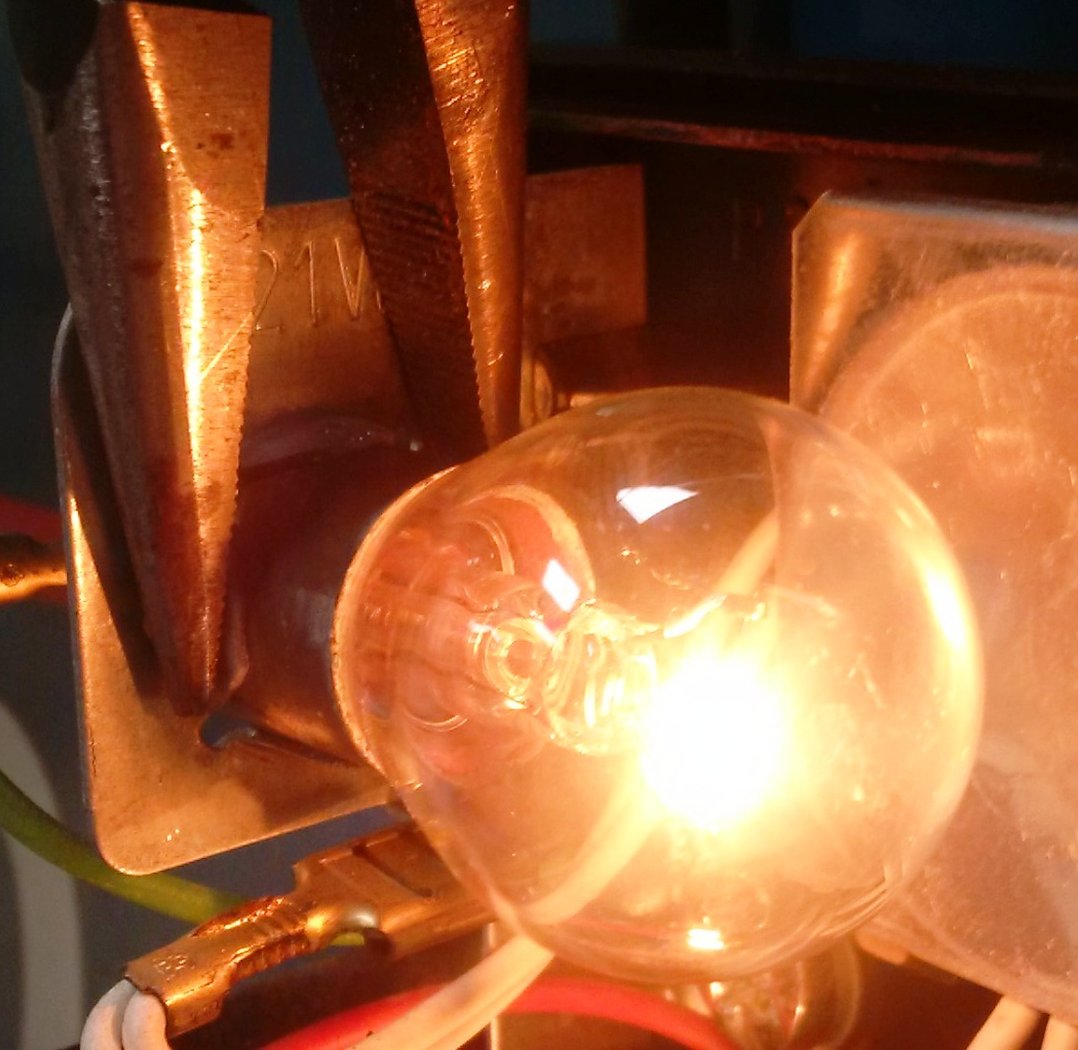
Dirty terminals and connections – ensure that all the connections are clean, if the connection in the light fitting are corroded clean them with emery paper.
Dirty plug – often an issue if the lighting plug has not been cared for. Ensure that the pins are clean and free from dirt and that the terminals inside are clean and all wires properly connected.
Damaged bulb – of course the bulb may have gone. Sometimes it is not as simple a visible broken filament. It’s always worth checking if a new bulb might solve the problem. It is also very important to ensure that the correct bulb is used.
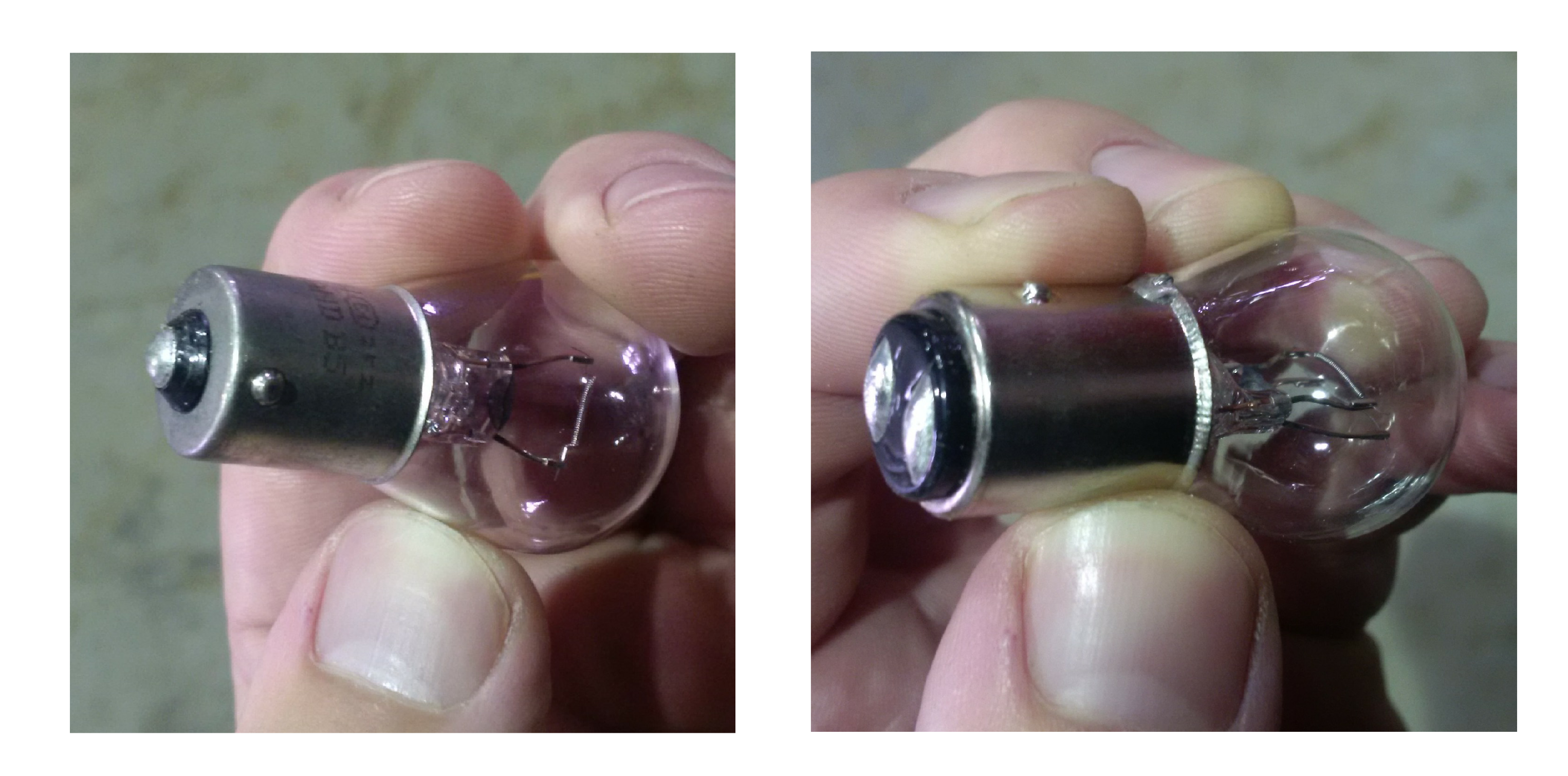 Single Contact Bulb Double Contact Bulb
Damaged or broken plug – if the plug is broken or clearly damaged it is best to fit a new plug. The diagram below shows the relevant connections and wire colours.
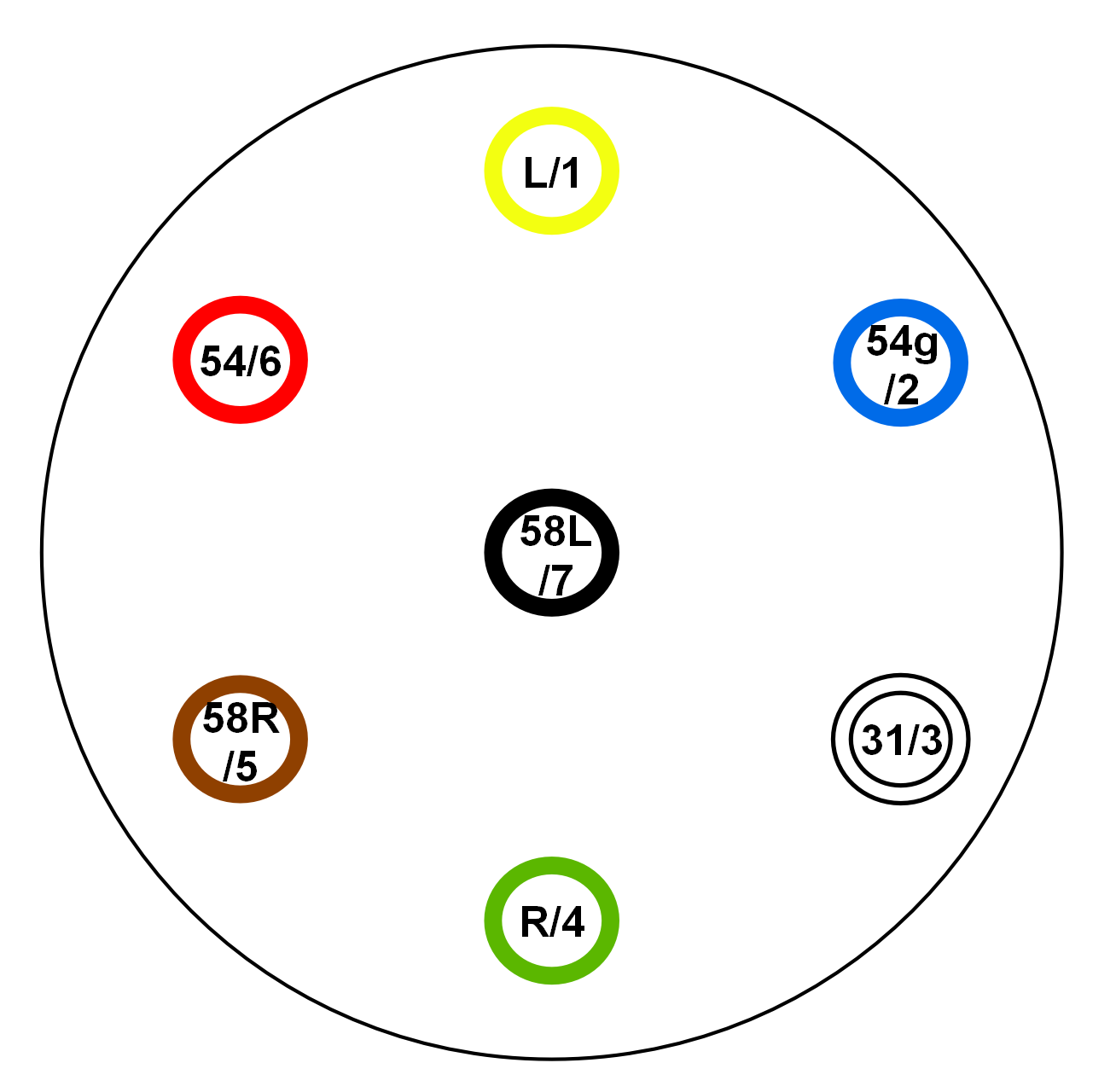
N.B. This is the most common wiring diagram for a plug although some manufactures i.e. Vaderstad vary
Key to cable colours:
Green = Right indicator
Yellow = Left Indicator
Red = Break lights
Black = Left tail light
Brown = Right tail light
White = Earth
Blue = Fog
How to fit a new lighting plug correctly:
1) Cut the cable through cleanly ensuring that any damage to the cable has been removed
2) Put the screw cap and rubber seal from the plug on to the cable
3) Strip the outer sheath back by approx. 35mm
4) Strip the inner cable back approx. 10mm
5) Twist the copper cable tightly
6) Insert each cable into the correct terminal and tighten screw
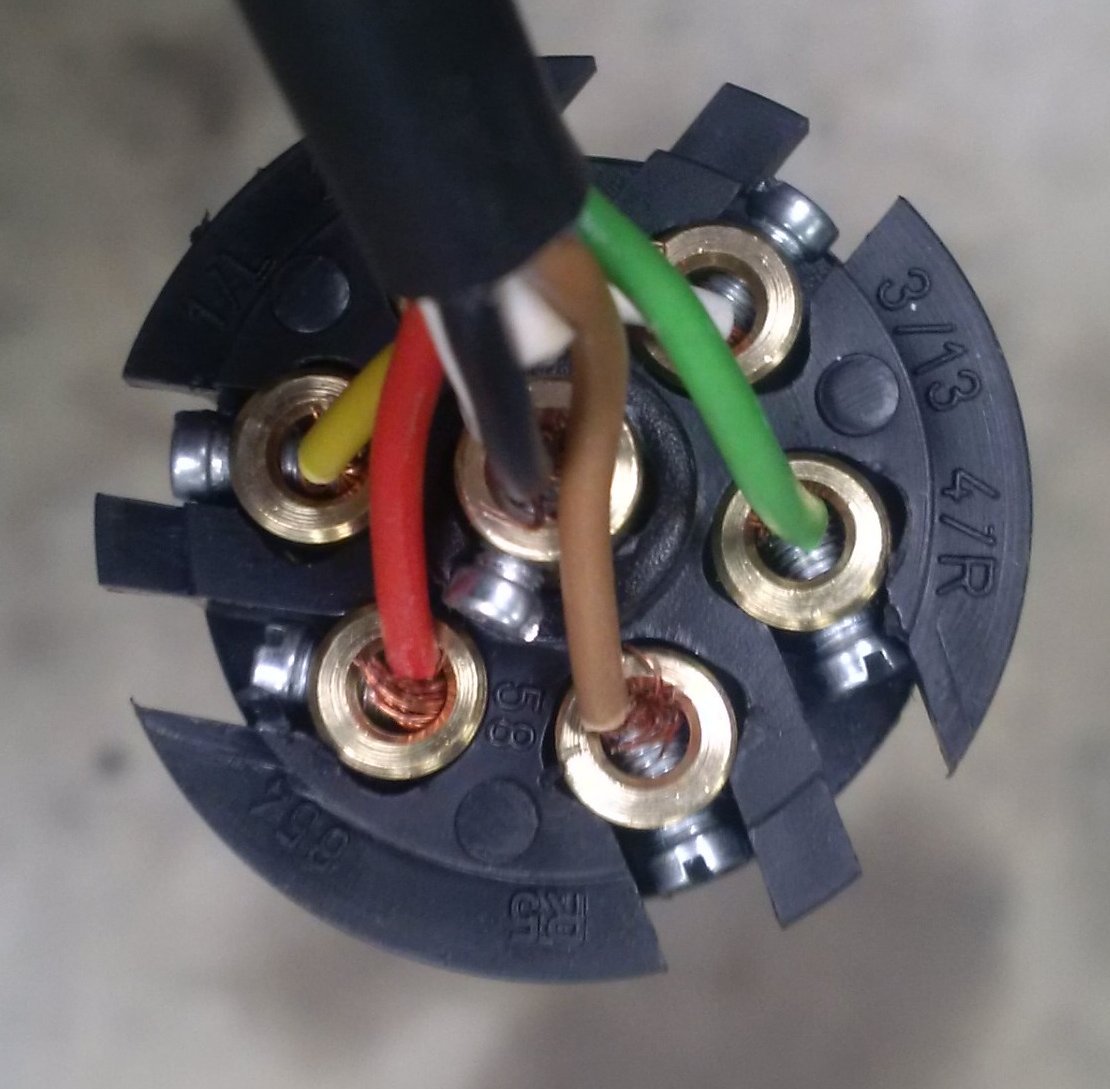
7) Slide rubber seal into back of plug
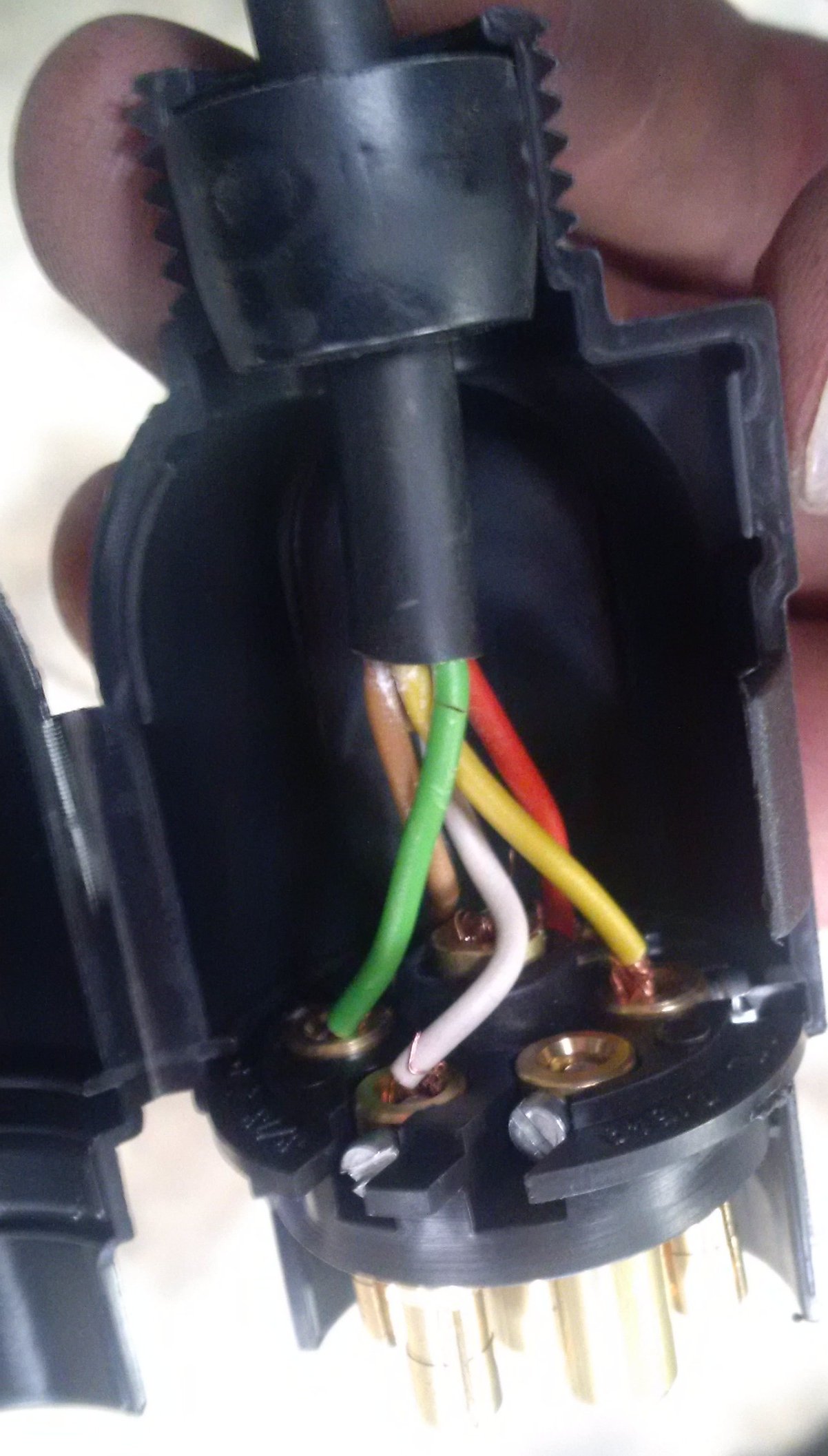
8) Align location lug on the plug cap and close
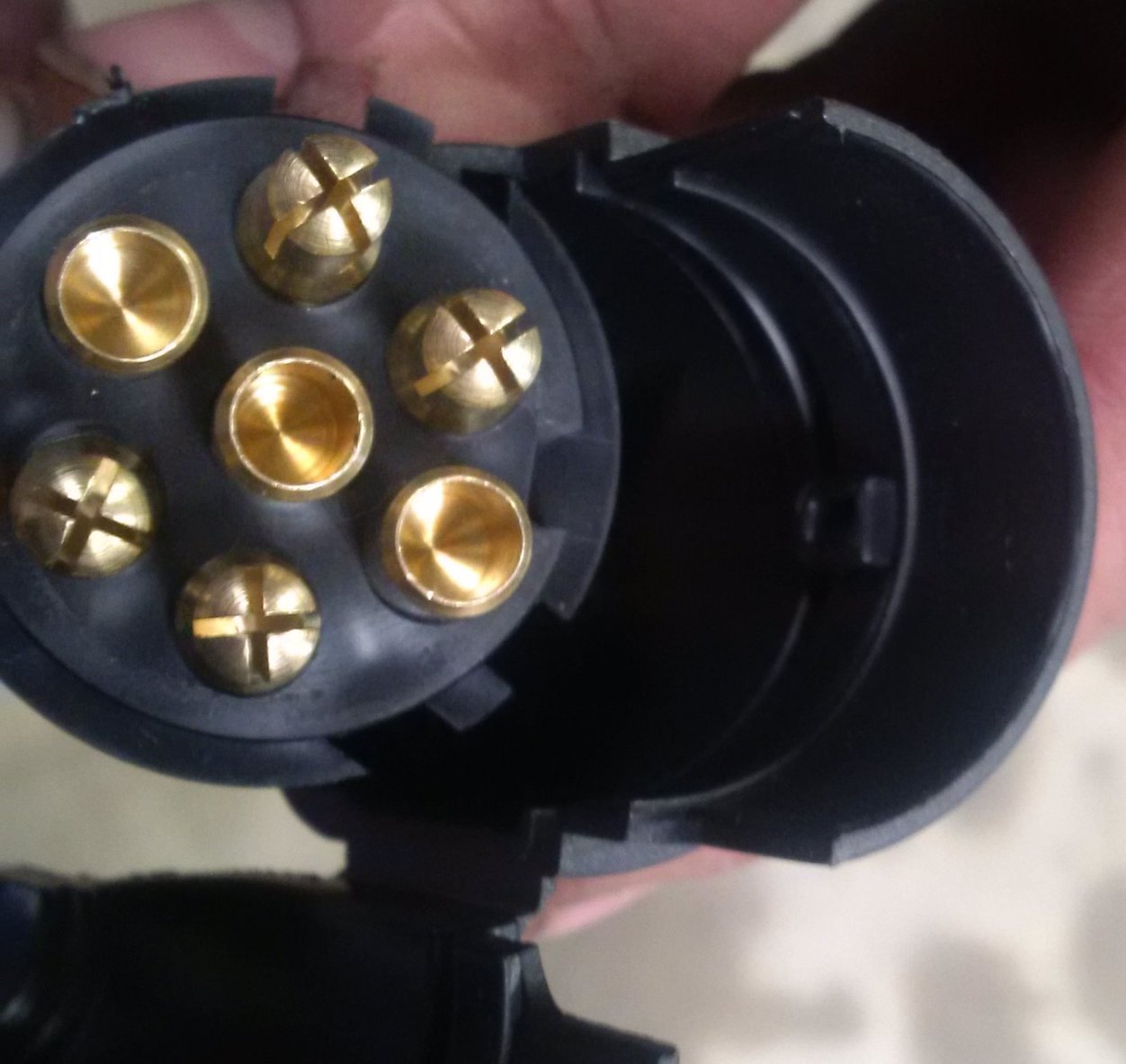
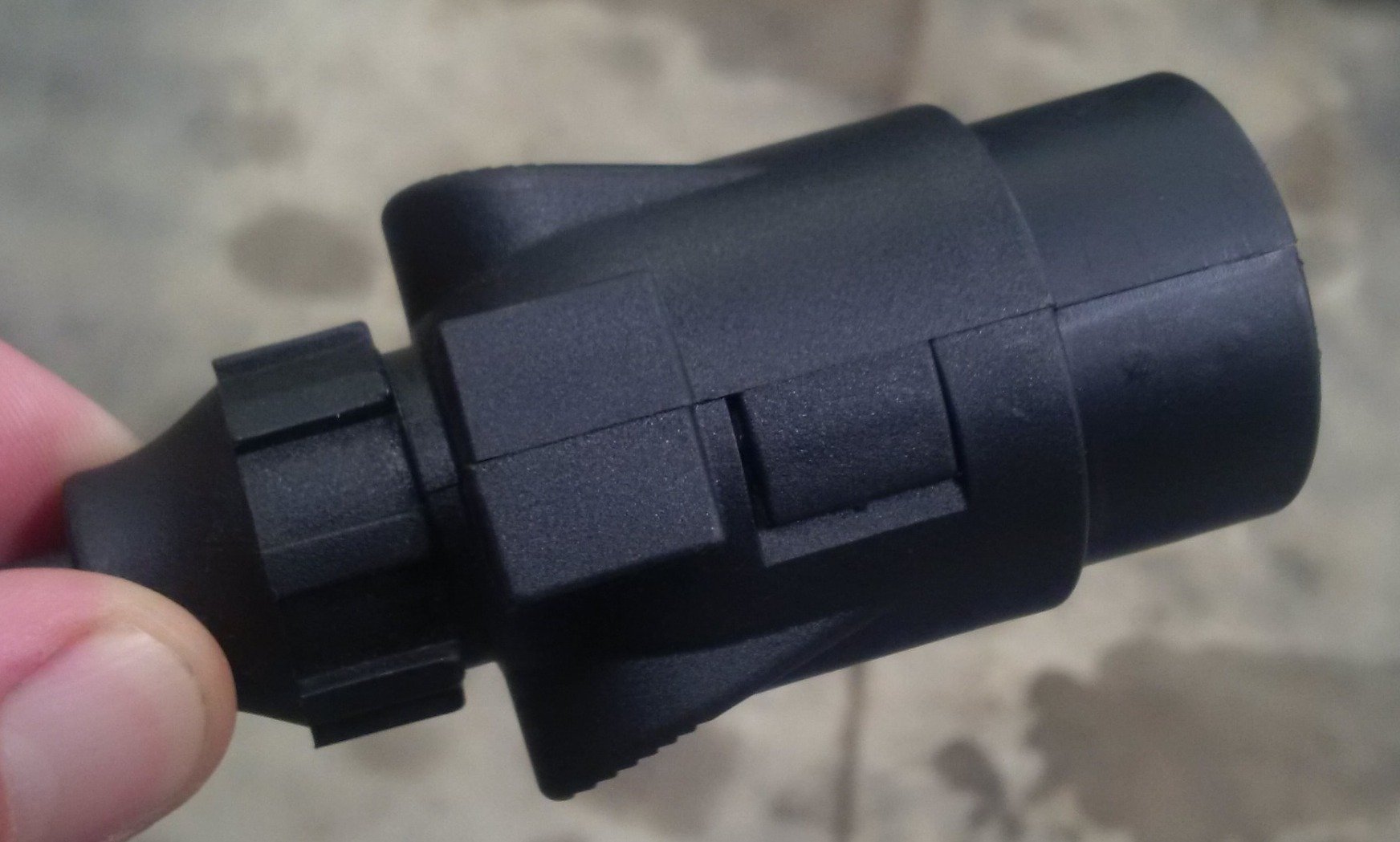
9) Screw cap onto back of plug
Did you find this helpful? For another useful guide download our drill checklist here.