

Following the popularity of our original guide to ploughing we have put together some more tips for setting up and using a plough, including some useful trouble-shooting for common ploughing problems.
Mouldboard Adjustment
To achieve good results when ploughing it is essential to first set the mouldboards up correctly, this will ensure that all the furrows are equal when ploughing.
Step 1:
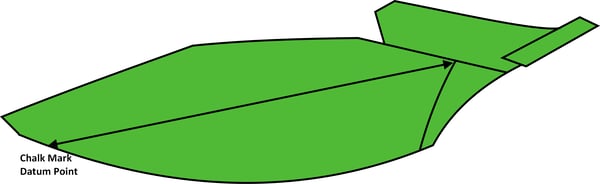
Mark the mouldboard – to set the mouldboards up correctly a common ‘datum’ point must be marked on each board. The easiest way to do this is to measure from the joint where the mouldboard, shin and share meet (see diagram)
Step 2:
Adjusting the right hand mouldboards – loosen the stay on the centre mouldboard so that is in a neutral position, this then becomes the master board to set the others from. Measure between the datum points marked in each mouldboard, the measurement of the outlet should be the same as the inlet interbody clearance. Adjust the bodies so they are parallel.
Step 3:
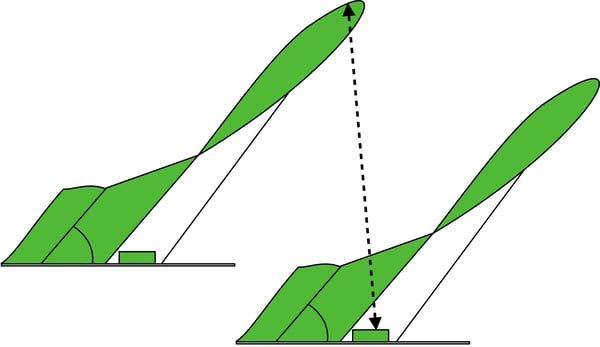
Transfer the right hand ‘throw’ to the left-hand side – it is very important that both bodies are equal. To do this measure the distance from the datum point on the master furrow to the leg on the body behind (as per diagram). Turn the plough over and transfer this measurement to the master furrow on the left side.
Step 4:
Adjusting the left hand mouldboards – with the clearance set on the master furrow now repeat step 2 on the left hand side.
Leveling the headstock
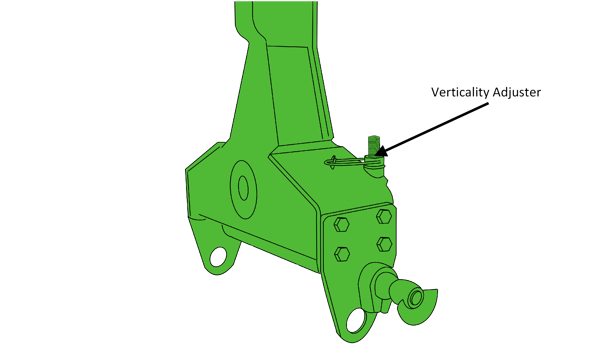
For successful ploughing the plough must be operating upright in both ploughing directions. The adjustment is carried out by an independent screw on either side of the headstock (see diagram)
Front furrow width
Once the plough is upright then the front furrow width can be adjusted. This is carried out initially with the front and rear inside wheel settings on the tractor but can also be adjusted by moving the plough to the right or left by:
- Altering the frame angle to steer the plough.
- A parallel rail system
The second option is by far the best as it allows the plough to still pull in a straight line. Using option 1 can induce pressure, causing the tractor to crab and producing excessive wear on parts of the plough. It is important to remember when adjusting the front furrow that the plough and tractor should work inline at all times, with the top link running straight behind the tractor.
Trouble shooting for some common problems
|
Problem |
Cause |
Solution |
|
Poor penetration |
1. Worn metal |
1. Fit new shares and points |
|
|
2. Plough leaning into work |
2. Adjust plough verticality studs so plough is 90 deg to the ground |
|
|
3. Top link too long |
3. Shorten top link |
|
Tractor difficult to steer |
1. Tractor front too light |
1. Add front weights |
|
|
2. Bodies out of line |
2. Check plough alignment |
|
|
3. Tractor stabilisers too tight |
3. Adjust so plough can float freely |
|
|
4. Tractor wheel settings incorrect |
4. Check tractor operators manual to adjust |
|
Narrow/ Wide front furrow |
1. Tractor wheel settings incorrect |
1. Check tractor operators manual to adjust |
|
|
2. Tractor stabilisers too tight |
2. Adjust so plough can float freely |
|
|
3. Damaged components |
3. Check plough alignment and change parts if necessary |
|
Uneven Furrows |
1. Incorrect interbody settings |
1. Check mouldboard position |
|
|
2. Skims inconsistent |
2. Adjust so all skims are set to the same depth and position |
|
|
3. Mouldboard heights |
3. Adjust mouldboard height and spacing |
|
|
4. Incorrect front furrow depth/width |
4. Ensure width and depth is equal on all bodies |
|
|
5. Damaged leg or shear bolt |
5. Check alignment and shear bolts |
|
Furrows rolling back |
1. Furrows too deep for width of ploughing |
1. Reduce depth or increase furrow width |
|
|
2. Top link too short |
2. Lengthen top link |
|
|
3. Mouldboards adjusted too far back |
3. Adjust mouldboards to correct position |
|
Trash not being buried |
1. Skim coulters set incorrectly |
1. Adjust skims to correct working depth and position |
|
|
2. Ploughing too fast for skimmers |
2. Slow forward speed to allow skimmed soil to be buried |
|
Front furrow low or second furrow too high |
1. Tractor tyres too wide for furrow width |
1. Narrow the front furrow width so that it is supported by the last furrow of the previous run |
|
|
2. Front furrow with too wide |
2. Adjust width of front furrow |